Parkinson's Disease (पार्किन्सन डिसीज़)
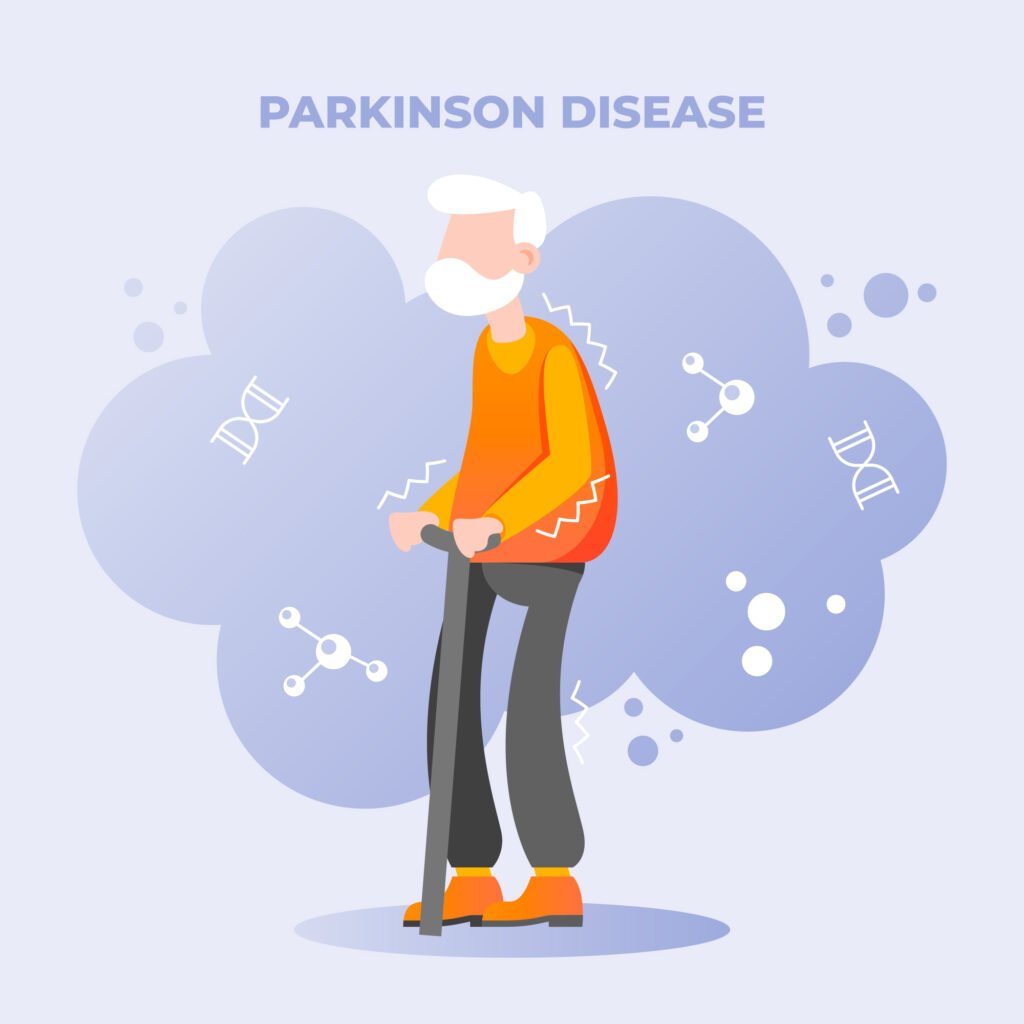
Parkinson’s disease is a progressive neurological condition that affects movement and quality of life. As a neurologist with over 11 years of experience, I’ve seen how early recognition and comprehensive care can help patients maintain independence and joy in daily living. In this post, I’ll explain Parkinson’s in clear terms, share the latest treatment options, and offer practical advice for patients and families.
What Is Parkinson’s Disease?
Parkinson’s disease occurs when nerve cells in the brain’s substantia nigra begin to die or malfunction, causing a drop in dopamine—a key chemical messenger for smooth, coordinated movement. Over time, this leads to:
Resting tremor (shaking when muscles are relaxed)
Bradykinesia (slowness of movement)
Muscle rigidity (stiffness)
Postural instability (balance problems)
For an in-depth overview, read the Mayo Clinic’s page on Parkinson’s here.
Early Signs to Watch For
Noticing symptoms early allows for timely intervention. Common warning signs include:
Slight tremors in a finger, hand, or foot when at rest
Micrographia, or increasingly small handwriting
Soft or slurred speech (voice changes)
Masked facial expression due to reduced blinking
Stooped posture and shuffling gait
Sleep disturbances, such as vivid dreams or restless legs
The National Institute of Neurological Disorders and Stroke provides a comprehensive list of early signs here.
How We Diagnose Parkinson’s
Clinical Evaluation: Detailed history of symptoms and their progression
Neurological Exam: Assessment of movement, balance, and reflexes
Imaging: MRI or CT to rule out other conditions
Response to Medication: Improvement with a trial of levodopa supports the diagnosis
Treatment Strategies
While there is no cure, a combination of medications, therapies, and lifestyle changes can significantly improve symptoms:
1. Medications
Levodopa/Carbidopa: Gold-standard therapy for motor symptoms
Dopamine Agonists: Mimic dopamine effects in mild to moderate stages
MAO-B Inhibitors: Slow dopamine breakdown, useful early on
For detailed guidelines on medication choices, see the NHS treatment recommendations here.
2. Exercise and Rehabilitation
Physical activity is crucial. I encourage patients to engage in:
Aerobic exercises (walking, cycling)
Balance training (yoga, Tai Chi)
Strength exercises (resistance bands, light weights)
Early referral to physiotherapy and occupational therapy helps maintain function and prevent falls.
3. Advanced Therapies
For patients with motor fluctuations or severe tremor:
Deep Brain Stimulation (DBS): Improves medication-resistant symptoms
Pump Therapies: Continuous delivery of medications for stable control
Consultation with a movement-disorders specialist ensures the right timing and approach.
Living Well with Parkinson’s
Maintain Routine: Structured schedules reduce anxiety and confusion.
Use Memory Aids: Alarms, calendars, and labels help with daily tasks.
Stay Socially Engaged: Group activities and support networks boost mood.
Focus on Nutrition: A balanced diet supports overall health and energy.
When to Reach Out
If you notice symptoms in yourself or a loved one, early evaluation can make a difference. To schedule a consultation:
Return to the Home Page
Together, we’ll develop a personalized plan that combines medical expertise with compassionate care—helping you navigate Parkinson’s with confidence and hope.