Agitation (उलझन / घबराहट)
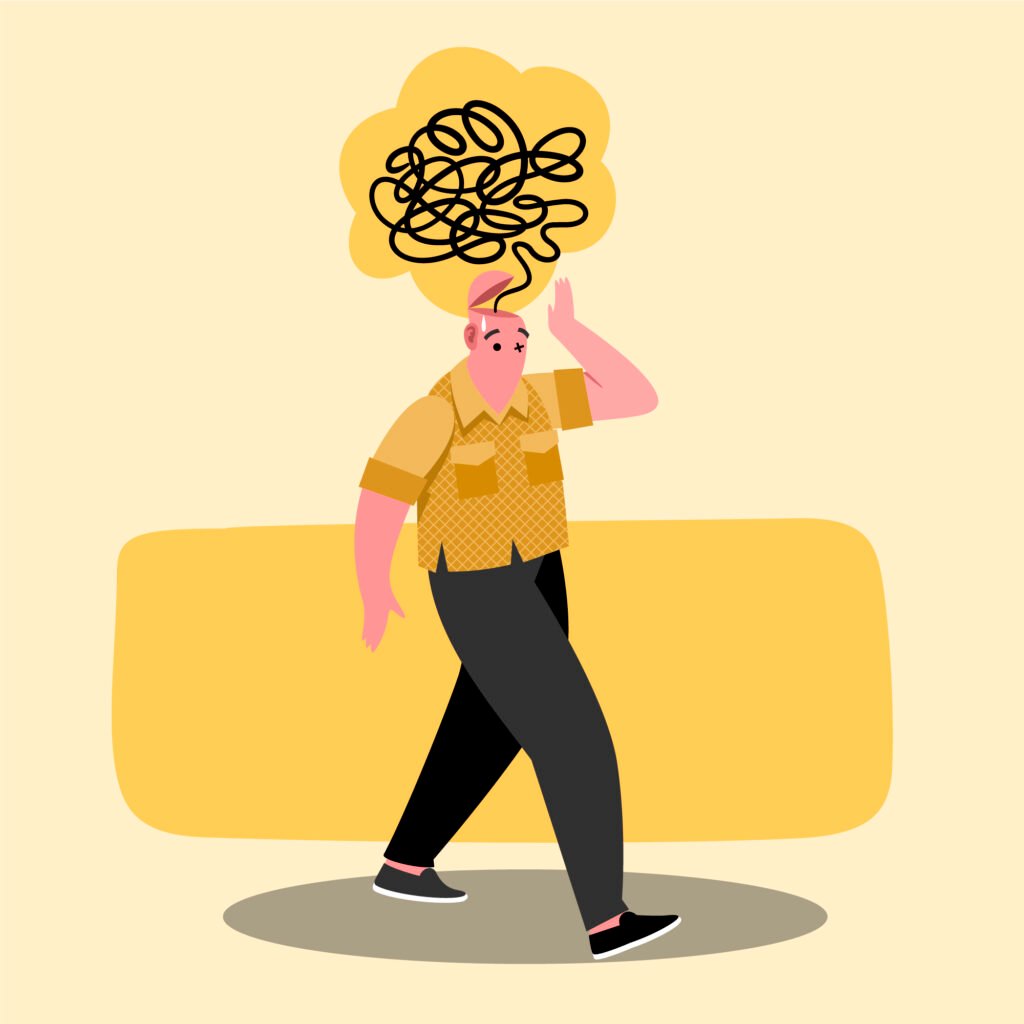
Agitation—characterized by restlessness, irritability, and heightened emotional distress—can occur in neurological and psychiatric conditions. Whether seen in dementia, encephalitis, or acute delirium, timely recognition and targeted management help restore calm and safety. With over 11 years in neurology practice, I’ll clarify the causes, assessment, and treatments of agitation in clear, compassionate terms.
What Is Agitation?
Agitation manifests as excessive motor activity (pacing, hand-wringing), verbal aggression (shouting, demanding behavior), or emotional distress (anxiety, tearfulness). Unlike normal anxiety, it is intense, persistent, and interferes with daily functioning.
Common Causes
Dementia & Alzheimer’s Disease: Neurodegeneration disrupts mood regulation—see the Alzheimer’s Association’s overview of behavioral symptoms.
Delirium & Encephalitis: Brain inflammation or metabolic disturbances provoke confusion and hyperactivity.
Psychiatric Disorders: Mania and psychosis often present with psychomotor agitation.
Medication Effects: Withdrawal from sedatives or anticholinergics can trigger restlessness.
Pain & Discomfort: Unrecognized pain may manifest as agitation in nonverbal or cognitively impaired patients.
How We Assess Agitation
History & Observation: Evaluate onset, triggers, and associated symptoms such as fever or hallucinations.
Neurological Exam: Rule out focal deficits, meningeal signs, or seizure activity.
Mental Status Testing: Differentiate delirium or psychosis by assessing orientation, attention, and thought content.
Laboratory & Imaging: Blood tests for infection or metabolic imbalance, plus CT/MRI to exclude acute lesions.
Treatment Strategies
1. Non-Pharmacological Approaches
Environmental Adjustments: A quiet, well-lit room with familiar objects reduces overstimulation.
Behavioral Techniques: Redirection, reassurance, and structured activities are effective; see the APA’s guidelines on behavioral interventions.
Pain Management: Regular assessment and adequate analgesia can alleviate distress.
2. Pharmacological Management
Reserved for severe or safety-threatening agitation:
Antipsychotics: Low-dose haloperidol or atypicals (risperidone, quetiapine) to control agitation with psychotic features.
Benzodiazepines: Lorazepam for acute anxiety or withdrawal states—used cautiously due to sedation risk.
Mood Stabilizers: Valproate or carbamazepine for agitation in bipolar disorder or traumatic brain injury, supported by a Cochrane review of pharmacological interventions.
3. Treating Underlying Causes
Infection Management: Prompt antibiotics or antivirals for encephalitis or urinary tract infections.
Metabolic Correction: Address electrolyte disturbances, hypoxia, or hypoglycemia.
Medication Review: Discontinue or adjust offending agents such as steroids or anticholinergics.
Practical Tips for Caregivers
Approach calmly with a reassuring tone and slow movements.
Use simple, clear instructions and avoid confrontation.
Establish consistent daily routines to reduce confusion.
Ensure safety by removing sharp objects and securing the environment.
When to Seek Help
Urgent evaluation is warranted if agitation is accompanied by:
Sudden confusion or altered consciousness
Focal neurological deficits (weakness, speech changes)
High fever, seizures, or signs of infection
Self-harm or aggression toward others
Early intervention prevents escalation and ensures safety.
To schedule an evaluation or learn more:
Return to our Home Page
—Dr. Rohit Anand
Consultant Neurologist, Jamshedpur