Alzheimer's Disease (याददाश्त की बीमारी)
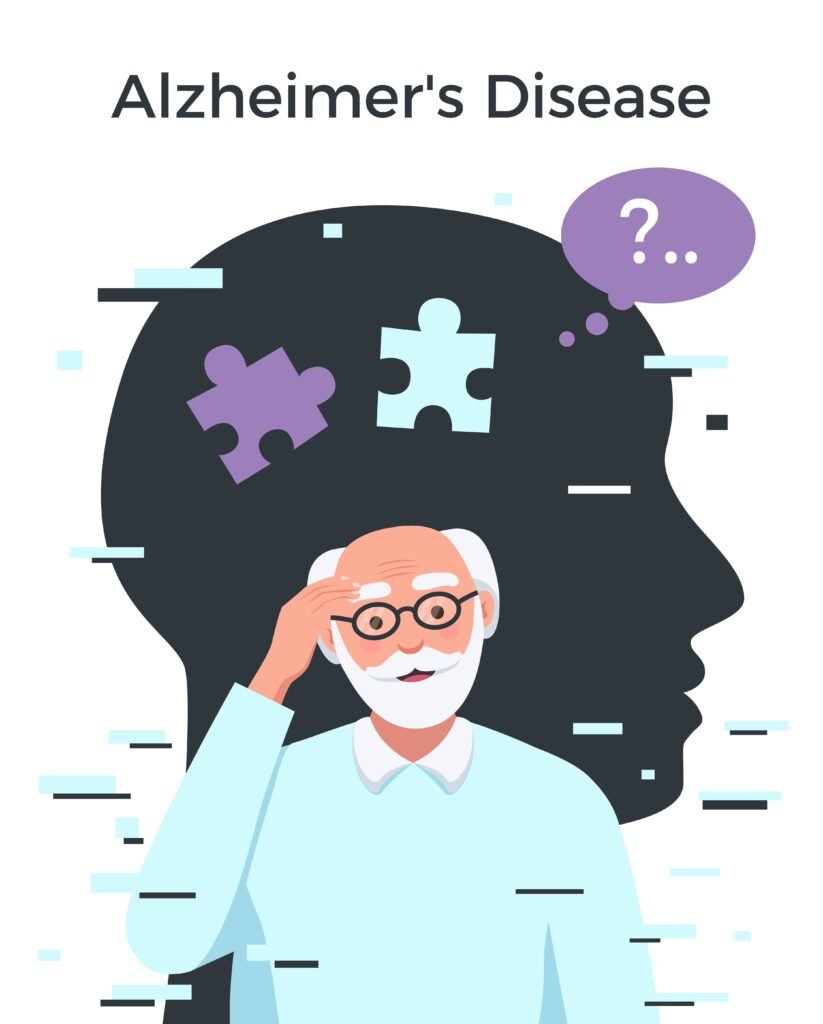
Alzheimer’s disease is the most common form of dementia, affecting millions worldwide and gradually impacting memory, thinking, and daily activities. As a neurologist with over 11 years of experience, I have witnessed how early recognition and comprehensive care can make a profound difference. This article aims to explain Alzheimer’s in simple terms, share how we diagnose and treat it, and offer practical tips for patients and caregivers alike.
What Is Alzheimer’s Disease?
Alzheimer’s is a neurodegenerative disorder characterized by the buildup of amyloid plaques and tau tangles in the brain, leading to loss of nerve cells and shrinking of brain tissue. Over time, this process causes memory lapses, confusion, and changes in behavior. While age is the greatest risk factor, genetics and lifestyle also play roles (Alzheimer’s Association)https://www.alz.org/alzheimers-dementia/what-is-alzheimers.
Early Signs and Symptoms
Memory Loss: Forgetting recent conversations or appointments more frequently than normal aging (National Institute on Aging)https://www.nia.nih.gov/health/alzheimers-symptoms-and-diagnosis/what-are-signs-alzheimers-disease.
Difficulty Planning: Trouble following familiar recipes or managing monthly bills.
Language Problems: Searching for simple words, substituting odd words in sentences.
Disorientation: Losing track of dates, seasons, or familiar routes.
Mood and Personality Changes: Increased anxiety, irritability, or withdrawal from social activities.
If you notice these signs in yourself or a loved one, please schedule a consultation promptly to discuss a detailed cognitive assessment.
How We Diagnose Alzheimer’s
Clinical Evaluation: I conduct a thorough history and review of daily functioning.
Cognitive Testing: Simple memory and problem-solving tasks to gauge impairment.
Brain Imaging: MRI or CT scans to exclude other causes of cognitive decline (Mayo Clinic)https://www.mayoclinic.org/diseases-conditions/alzheimers-disease/diagnosis-treatment/drc-20350453.
Laboratory Tests: Blood tests to rule out vitamin deficiencies, thyroid issues, or infections.
A definitive diagnosis may require biomarker tests in specialized centers, but we can often establish probable Alzheimer’s with the above steps.
Treatment and Management
While there is currently no cure, our goal is to slow progression and enhance quality of life:
Medications
– Acetylcholinesterase inhibitors (donepezil, rivastigmine) for mild to moderate stages
– Memantine for moderate to severe stages (NHS)https://www.nhs.uk/conditions/alzheimers-disease/treatment/Lifestyle Interventions
– Cognitive Stimulation: Puzzles, reading, or learning new skills
– Physical Activity: Regular aerobic exercise to support brain health
– Heart-Healthy Diet: Emphasizing fruits, vegetables, whole grains, and lean proteinsSupportive Therapies
– Occupational therapy for daily living adaptations
– Speech therapy for language difficulties
– Counseling and support groups for patients and caregivers
Tips for Patients and Caregivers
Establish daily routines and use memory aids (calendars, labels).
Simplify the environment to reduce confusion (clear pathways, adequate lighting).
Encourage social engagement to maintain mood and cognition.
Prioritize caregiver well-being—share responsibilities and seek respite care when needed.
When to Seek Help
Early intervention is key. If you or a family member experience troubling memory changes or daily-life disruptions, don’t hesitate to reach out:
Home Page: https://drrohitanand.com/
Book an Appointment: https://drrohitanand.com/treatments/
Contact Us: https://drrohitanand.com/contact-us/
As your neurologist, I am committed to accurate diagnosis, evidence-based treatments, and a compassionate approach tailored to your needs. Together, we can navigate Alzheimer’s with clarity, dignity, and hope.