Insomnia (सुस्ती और नीद की समस्या)
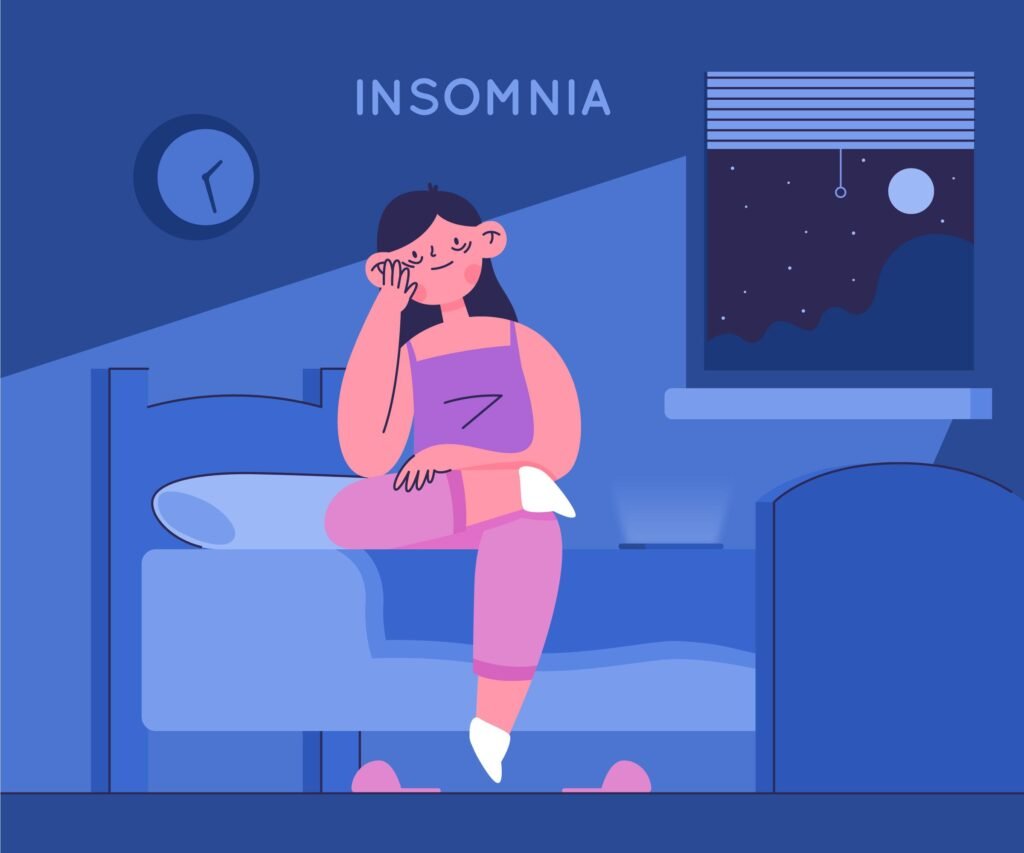
Insomnia—difficulty falling asleep, staying asleep, or waking too early—affects up to 30% of adults at any given time and can erode energy, mood, and quality of life. As a neurologist with over 11 years of experience, I’ve helped countless patients reclaim restful nights through expert evaluation, evidence-based therapy, and compassionate support.
What Is Insomnia?
Insomnia is more than a bad night’s sleep. It can be:
Acute (lasting days to weeks), often triggered by stress or life changes.
Chronic (lasting three months or more), occurring ≥3 nights per week and causing daytime impairment.
When sleeplessness persists, it may lead to daytime fatigue, difficulty concentrating, irritability, and even increased risk of chronic conditions.
Common Causes
Insomnia can occur on its own or alongside other issues:
Stress & Anxiety: Worry and hyperarousal keep your mind racing at bedtime.
Poor Sleep Habits: Irregular schedules, screen use before bed, or late caffeine intake.
Medical Conditions: Pain, heart disease, acid reflux, or neurological disorders.
Medications & Substances: Steroids, antidepressants, caffeine, nicotine, and alcohol.
Circadian Rhythm Disorders: Shift work, jet lag, or delayed sleep phase.
Learn more about underlying factors in the Sleep Foundation’s guide on What Causes Insomnia?
How We Diagnose Insomnia
Clinical Interview: We’ll review your sleep patterns, routines, and contributing stressors.
Sleep Diary & Questionnaires: Tracking bedtimes, wake times, and nighttime awakenings for 1–2 weeks.
Physical & Neurological Exam: To rule out other disorders such as sleep apnea or restless legs syndrome.
Sleep Studies: Polysomnography or actigraphy if another sleep disorder is suspected.
Accurate diagnosis ensures the right treatment path. For a detailed overview, see the Mayo Clinic’s Insomnia—Diagnosis & Treatment.
Treatment Strategies
1. Cognitive Behavioral Therapy for Insomnia (CBT-I)
CBT-I is the first-line treatment for chronic insomnia, addressing thoughts and habits that fuel sleeplessness. Techniques include stimulus control, sleep restriction, relaxation training, and cognitive restructuring.
2. Sleep Hygiene & Lifestyle Changes
Consistent Schedule: Go to bed and wake up at the same times every day.
Sleep Environment: Keep the bedroom dark, quiet, and cool.
Pre-Bed Routine: Wind down with reading, gentle stretching, or meditation.
Limit Stimulants: Avoid caffeine, nicotine, and heavy meals close to bedtime.
For expert guidelines, refer to the World Health Organization’s Insomnia fact sheet.
3. Pharmacological Options
Short-term use of low-dose sedative-hypnotics or melatonin agonists may be recommended when CBT-I alone is insufficient. Medications are prescribed judiciously, typically for no more than 4–5 weeks, to minimize dependency and side effects.
4. Adjunctive Therapies
Relaxation Techniques: Progressive muscle relaxation, guided imagery, or biofeedback.
Light Therapy: Morning bright-light exposure can reset the circadian rhythm.
Exercise: Regular aerobic activity supports sleep quality—but avoid vigorous workouts close to bedtime.
Practical Tips for Better Sleep
Remove electronics from the bedroom and use “do not disturb” modes.
Limit naps to 20–30 minutes, early in the afternoon.
Use your bed only for sleep and intimacy—avoid working or watching TV in bed.
If unable to sleep after 20 minutes, get up and do a quiet activity until drowsy.
When to Reach Out
Persistent insomnia can worsen health over time. If you experience ongoing sleep difficulties despite self-care, let’s work together to restore your sleep health.
To schedule a personalized evaluation:
Visit our Home Page
—Dr. Rohit Anand
Consultant Neurologist, Jamshedpur